
Big Walk Crossplay: How to Play Co-op With Friends
Big Walk supports crossplay between its confirmed Windows, Mac, PlayStation 5, and Nintendo Switch 2 versions. The official FAQ says two to 12 players can join and that the host selects a two-player, three-player, or four-plus world. It also says there is no online matchmaking, so groups should organize a session with people they know.
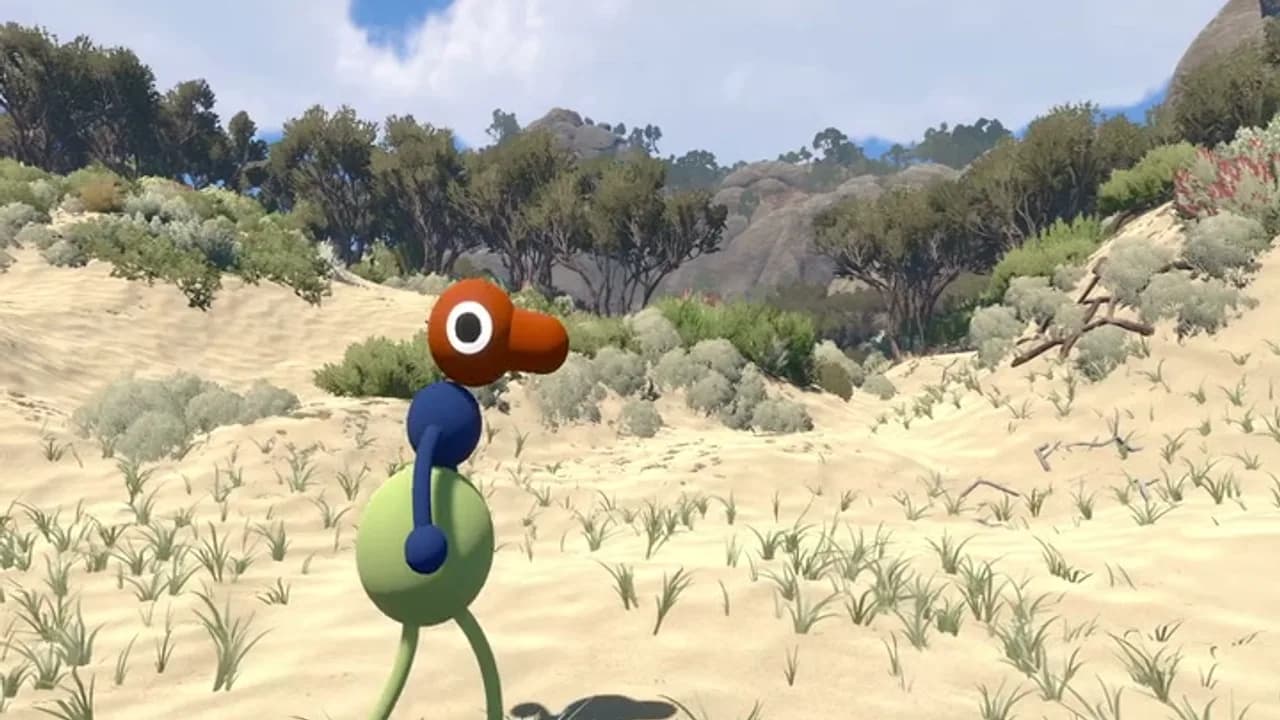
Quick answer
Big Walk crossplay is confirmed for players using its Windows, Mac, PlayStation 5, and Nintendo Switch 2 versions. The official FAQ answers that people on different systems can play together. It also says a group needs at least two people and can have up to 12 participants.
There is no online matchmaking according to that same FAQ. Instead, the game is designed as a longer cooperative experience for a group that arranges sessions with people it knows or wants to know better. Connection troubleshooting, exact join-code steps, and platform-account requirements are not fully stated in the supplied material and are To be confirmed.
Confirmed crossplay
The direct official answer is that people on different systems can play together. The confirmed systems named in the FAQ are Windows, Mac, PlayStation 5, and Nintendo Switch 2. That establishes crossplay within the supported platform list, not between every device that may appear in an online search result.
Crossplay is useful when a friend group owns different kinds of hardware. It lets the group choose a shared session without requiring everyone to buy the same console or computer version. The supplied research does not describe platform-specific lobby limitations, so those details should be treated as To be confirmed.
Supported group size
The official FAQ says two or more players can play and gives 12 as the maximum. It does not recommend one universally best number. Instead, it says a smaller group feels like a more focused cooperative experience while a group closer to 12 becomes more chaotic.
That range should not be read as a promise that every puzzle is identical at every count. The FAQ says the world changes a little according to the option the host chooses when starting. Plan around the number of people likely to be present, rather than adding people only after a session has started.
Choose the world size
At the start of a session, the host selects a two-player, three-player, or four-plus version of the world. The official FAQ says some things in the world adapt to those choices. It describes the setting as the minimum number of players expected to participate, not merely the number currently connected.
If part of the group cannot remain for the whole session, the FAQ suggests choosing a lower option. That gives the world a better chance of fitting the continuing players. The research does not list every puzzle adjustment for each option, so exact changes are To be confirmed.
No matchmaking
Big Walk does not offer online matchmaking according to the official FAQ. The developer explains that the game is long-form cooperative play and is meant for a group that returns across multiple sessions. Randomly placing strangers together would not fit that stated design goal.
This makes preparation important before anyone opens the game. Decide who is in the group, choose a likely session size, and make sure everyone understands that talking is central to play. The supplied research does not describe a public queue, skill ranking, or drop-in stranger system, so none should be assumed.
Hosting and saves
The supplied background research says the host maintains the save data and that other players may join or leave the host’s game. A review in the bundle similarly describes a group save tied to the player who originally hosted it. Those accounts support planning around a consistent host rather than assuming any player can continue the same world alone.
The official FAQ lists questions about hosting, saving, and joining, but the supplied extract does not include the detailed answers. Therefore, save transfer, password changes, host migration, and exact recovery steps are To be confirmed. Do not invent a workaround from third-party commentary when the direct instructions are absent from the research.
Join planning
Arrange your group before the session because crossplay does not provide matchmaking. Start by checking that every participant is on a confirmed platform and has agreed on a time. Then decide which person will host and which world-size option best matches the people expected to remain.
The FAQ says players can be thought of as a minimum attendance rather than a hard maximum. That means a lower setting can be sensible when friends may leave early or arrive late. Exact join-code menus and friend-list behavior are To be confirmed, so use the current official FAQ or in-game prompts when setting up the actual connection.
Voice and teamwork
The official description calls Big Walk a videogame about talking to friends as well as a big adventure and a place to hang out. The research repeatedly describes puzzles that rely on people communicating with one another. Crossplay therefore joins a social system, not simply a technical compatibility checkbox.
The supplied material also says there is no single-player mode intended to carry normal progress. A person can enter a game and walk around alone, but the FAQ says they will not get very far because the game is designed for cooperative multiplayer. Make a communication plan with the group before treating crossplay as the whole answer.
Source notes
This article rewrites and reconciles the supplied official FAQ, supporting reporting, and video references. Official answers take priority for system support, group limits, world-size selection, no matchmaking, and the multiplayer focus. Details omitted from the supplied official extract are marked To be confirmed instead of filled with assumptions.
The sources make a useful distinction between being technically able to connect and having a group ready for a long cooperative session. Crossplay answers the first question for the confirmed systems, but the absence of matchmaking leaves the second question with the players. A session plan should therefore include friends, a host, a likely attendance range, and time to talk through puzzles.
When a connection issue appears, avoid confusing it with a rule about group size or platform support. The supplied FAQ lists troubleshooting topics, but the detailed steps are not part of the supplied research extract. Use current official support information for those procedures and treat unlisted fixes as To be confirmed.
The group-size options also make an early conversation worthwhile. Choosing the expected minimum attendance gives the host a documented way to select the two-player, three-player, or four-plus world before play begins. That is more grounded than trying to retrofit a world choice from an unverified forum suggestion after friends have joined.